
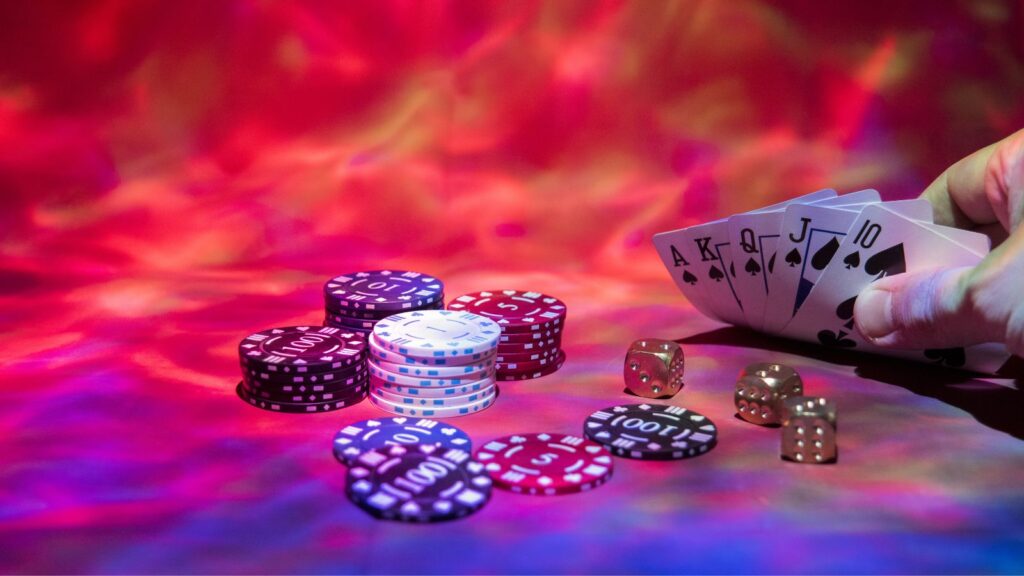
Players often debate whether luck or strategy shapes results in casino games. Some people trust chance and accept whatever outcome appears. Others study rules, probabilities, and decision paths. Both views hold truth, but they do not carry equal weight across all games. Casino design blends randomness with structure, and that blend determines how much control a player can exercise. This article examines where luck dominates, where strategy matters, and how players can think clearly about both without myths or exaggeration.
The Role of Randomness in Casino Games
Casino games rely on random number generation, shuffled cards, spinning wheels, or dice rolls. These systems create uncertainty in every round. No player can predict the next card or the exact landing spot of a roulette ball. That uncertainty defines gambling.
Luck shapes short-term outcomes. A player can win several rounds in a row or lose quickly without any error in judgment. Random swings appear even when someone follows sound decisions. Over a small sample of rounds, chance controls the results almost entirely.
Games with limited or no choices amplify this effect. Slot machines, keno, and lottery-style games leave no room for decision-making once play begins. A player presses a button and waits for a result. In these cases, luck decides everything. No pattern recognition or timing method changes the mathematical structure.
Responsible Perspectives on Luck and Strategy
A balanced view accepts both forces. Luck governs immediate outcomes. Strategy shapes long-term trends in certain games. Ignoring either side creates unrealistic expectations.
Players benefit from learning which games reward knowledge and which rely on chance alone. That understanding supports informed choices and reduces frustration.
Some players explore platforms such as Manekispin while keeping these principles in mind. Awareness matters more than confidence.
Where Strategy Enters the Picture
Some casino games allow players to make choices that affect expected results. Blackjack, video poker, and certain table games give players control over actions. Decisions such as hitting, standing, folding, or selecting bet sizes influence long-term expectations.
Strategy does not remove randomness. It shapes how a player responds to it. A sound approach reduces the built-in advantage of the house. Poor choices increase that advantage.
In blackjack, correct decisions lower expected losses over time. In video poker, selecting the right cards to hold changes return rates. These effects do not guarantee wins, but they influence averages across many sessions.
Short-Term Results vs Long-Term Expectations
Players often confuse short-term outcomes with long-term behavior. Luck dominates short sessions. Strategy shows value only across extended play.
A player can follow perfect blackjack decisions and still lose in a single evening. Another player can ignore basic rules and leave with a profit. These events do not disprove mathematics. They reflect variance.
Over hundreds or thousands of rounds, averages move closer to expected values. Strategy guides those averages. Luck creates the noise around them.
Comparing Game Types by Player Control
Different games place different weights on chance and decision-making. The following table summarizes typical levels of player influence.
| Game Type | Player Decisions | Influence of Luck | Strategy Impact |
| Slot Machines | None | Very high | None |
| Roulette | Limited | Very high | Very low |
| Blackjack | High | Moderate | High |
| Video Poker | High | Moderate | High |
| Baccarat | Very limited | High | Low |
This comparison shows why debates about luck versus strategy often miss context. The answer changes with the game.
Common Misunderstandings About Strategy
Many players believe strategy can overcome randomness entirely. That belief causes frustration and risky behavior. Strategy does not create certainty. It only shifts probabilities.
Another misunderstanding involves pattern tracking. Players watch past results and expect future outcomes to balance them. Random systems do not remember previous events. Each spin or deal starts fresh.
Some players also confuse discipline with strategy. Budget control matters, but it does not change odds. It affects how long someone plays, not how games resolve.
The Psychological Side of Gambling Decisions
Human perception plays a large role in how people judge luck and skill. Wins feel personal. Losses often feel unfair. This bias leads players to credit skill for success and blame chance for failure.
Casino environments reinforce these reactions. Lights, sounds, and near-miss outcomes encourage continued play. These factors do not alter probabilities, but they influence behavior.
Clear thinking requires separation of emotion from analysis. Players who understand randomness avoid false conclusions after streaks.
Bankroll Choices and Their Limits
Managing money affects duration, not expectation. Players who set limits protect themselves from rapid losses. They also reduce emotional stress.
Still, bankroll rules do not turn losing games into winning ones. They shape exposure to variance. A controlled approach helps players stay within comfort zones, but it does not shift house edges.
Skill-Based Decisions in Practice
To understand how strategy works, consider a blackjack hand. The dealer shows a low card. The player holds a moderate total. Strategy suggests standing to avoid busting. That choice improves expected value over time.
If the next card would have helped, luck intervened. If the dealer draws a strong hand, luck intervened again. The decision still followed sound logic.
The same logic applies in video poker. Holding the correct combination improves average returns, even if the draw fails in that round.
When Strategy Cannot Help
Some games remove decision points entirely. Slot machines illustrate this clearly. Once a spin starts, nothing changes the result. Bet size affects payout scale, not odds.
In these cases, players should focus on enjoyment and limits rather than control. Expecting skill to influence outcomes leads to poor judgment.
Key Points to Remember
- Luck controls all short-term results.
- Strategy influences long-term averages in selected games.
- No method removes randomness.
- Money management affects time spent playing, not odds.
- Understanding game structure prevents false beliefs.
Casino games do not follow a single rule about luck or strategy. Each format sets its own balance. Players who recognize that balance approach gambling with clearer expectations. They avoid myths about control and accept the limits of decision-making.
Luck decides what happens next. Strategy decides how a player responds over time. Knowing the difference matters more than choosing one side in the debate.
More Stories
Why Casinos Ask for KYC Again After an Account Was Already Verified
How Smart Office Automation Is Changing the Way Businesses Watch Their Electricity Use
Slot Gacor Games Available Anytime for Easy Entertainment