
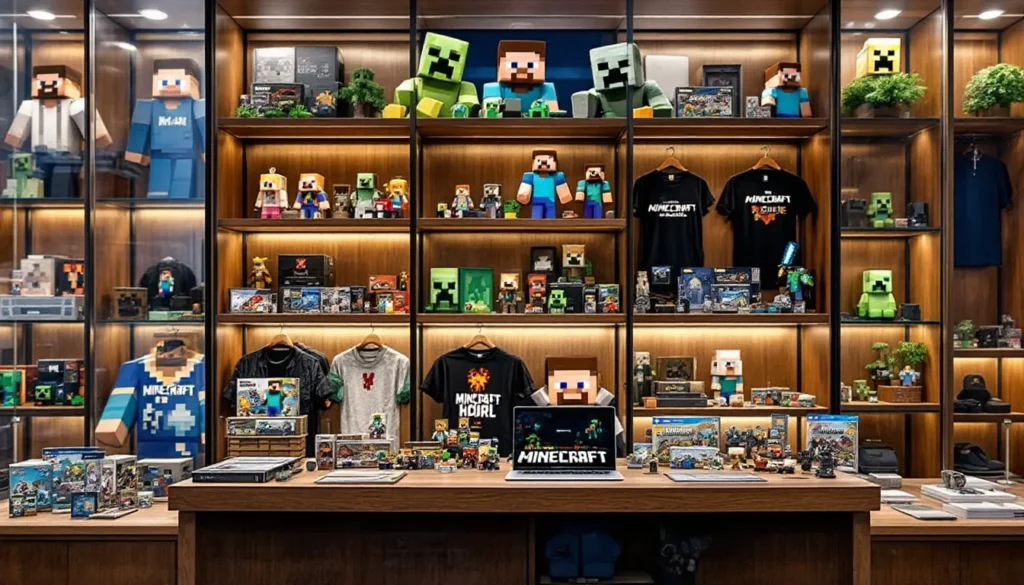
Minecraft merchandise has exploded into a multi-billion-dollar industry, and there’s never been a better time to jump into collecting. Whether you’re a casual player hunting for a Steve hoodie or a hardcore collector hunting for rare limited editions, the market’s packed with options, and pitfalls. From official Mojang drops to licensed third-party gear, from action figures to gaming peripherals, the sheer volume of Minecraft merchandise can feel overwhelming. This guide cuts through the noise and gives you exactly what you need to know: where the best stuff lives, how to spot counterfeits, and which items are actually worth your money. If you’ve been eyeing that creeper plushie or wondering if those “rare” limited editions are the real deal, we’ve got you covered.
Key Takeaways
- Minecraft merchandise has become a multi-billion-dollar industry with options ranging from official Mojang products to licensed third-party gear, making it crucial to verify authenticity before purchasing.
- Official merchandise from Mojang Studios and Microsoft comes with guaranteed quality standards, while legitimately licensed items from reputable manufacturers also offer accountability—always check packaging and seller credentials.
- Spotting counterfeit Minecraft merchandise requires attention to packaging quality, product defects like loose joints or poor stitching, and seller red flags such as suspiciously low prices or new accounts with limited feedback.
- Quality Minecraft merchandise—featuring heavier-weight fabrics, tight articulation, and proper construction—holds value better and lasts longer than cheap knockoffs, making slightly higher initial investments worthwhile.
- Rare and limited-edition Minecraft merchandise from 2010–2014, convention exclusives, and sealed LEGO sets appreciate significantly over time when kept in mint condition, offering genuine investment potential for collectors.
- Build your collection strategically by defining your focus (figures, apparel, or décor), setting a realistic budget, hunting seasonal releases, and preserving condition for items you plan to resell.
The Growing Minecraft Merchandise Market
Minecraft’s merchandise ecosystem has grown at a staggering pace since the game’s 2009 launch. Mojang Studios, now owned by Microsoft, has licensed the brand extensively, meaning everything from LEGO sets to apparel to gaming peripherals bearing Minecraft’s blocky aesthetic are flooding retail shelves and online stores. The 2026 market reflects over a decade of brand maturation: early merchandise was niche stuff for hardcore fans, but today it’s genuinely mainstream.
The numbers tell the story. Minecraft has sold over 300 million copies across all platforms (Java Edition, Bedrock, mobile, console), and that massive player base translates to merchandise demand. You’ll find Minecraft gear at major retailers like Target, Walmart, and Amazon, sitting alongside merchandise from franchises that’ve been around for decades. Gaming retailers, toy shops, and specialty stores all stock Minecraft items.
What’s driving this growth? The game’s universal appeal across age groups and platforms is huge. A six-year-old playing mobile Minecraft wants the same merch as a 25-year-old grinding Java Edition survival servers. Nostalgia also plays a role, players who grew up with Minecraft in the 2010s now have disposable income and collector’s mentality. Meanwhile, new players entering the game each year keep demand fresh.
Why Minecraft Fans Invest in Official and Unofficial Merchandise
Collectors and fans buy Minecraft merchandise for straightforward reasons: personal connection, room aesthetics, and the joy of owning tangible pieces of a game world they love. A player might grab a Steve action figure because they’ve logged 500 hours as that character. Another fan buys Minecraft bedding to decorate their room with blocky comfort. It’s the same impulse that drives anime, superhero, or sports merchandise collecting, it’s identity expression and fandom investment.
Rare and limited-edition items add another layer of motivation: investment potential. Some early Minecraft figures and exclusive merchandise have appreciated significantly. A collector who bought certain 2014–2015 items for $30 might resell them for $150+ today if they’re still in good condition. This speculative angle attracts seasoned collectors hunting for the next blue-chip piece, similar to how trading cards or vintage gaming gear hold value.
Then there’s practical functionality. Gaming peripherals like Minecraft-themed headsets or mouse pads aren’t just fan service, they’re gear players actually use during gameplay. A keycap set modeled after Minecraft blocks looks cool on your keyboard and functions normally. This blend of aesthetics and utility makes practical merchandise particularly appealing. Fans also appreciate the design challenge: how do you translate voxel-based blocky art into wearable, displayable, functional items? Well-executed Minecraft merch proves it’s possible to honor the game’s visual language while making something genuinely useful or beautiful.
Official vs. Licensed Merchandise: What’s the Difference?
This distinction matters because it affects authenticity, quality, and where your money actually goes.
Official merchandise is produced directly by Mojang Studios or Microsoft under their own brands. These items go through rigorous design and quality-control processes. You’ll find the Mojang Studios logo or Minecraft branding on packaging, and production is tightly monitored. Examples include LEGO Minecraft sets (produced in partnership with LEGO), official Xbox Minecraft apparel, and merchandise sold directly through Microsoft’s official channels. These items come with guarantees that they meet specific standards.
Licensed merchandise is produced by third-party companies that have purchased the right to use Minecraft IP. These manufacturers, ranging from major toy companies to smaller apparel brands, pay Mojang/Microsoft licensing fees to create and sell Minecraft-branded products. The quality varies widely. A licensed item from a reputable manufacturer like Mattel or Funko tends to be well-made, but licensing doesn’t automatically mean quality. A smaller unlicensed-but-claiming-to-be-authentic knockoff is a different beast entirely (more on spotting fakes below).
Both official and legitimately licensed items carry authentic branding and come with actual quality standards. The key: check packaging and seller credentials. If it’s being sold through the official Minecraft Store, major retailers, or established toy/apparel brands, it’s almost certainly legitimate. If it’s from a random seller with broken English descriptions and suspiciously low prices, that’s a red flag. Licensing creates accountability, manufacturers don’t want their brand tied to cheap knockoffs any more than Mojang does.
Types of Minecraft Merchandise Available
The variety of Minecraft merchandise available in 2026 spans every conceivable category. Understanding what’s out there helps you navigate the market and find items that actually appeal to you.
Apparel and Wearables
T-shirts, hoodies, and hats dominate the apparel category. Official and licensed options range from basic character prints ($15–25) to premium streetwear collaborations ($60–100+). You’ll find everything from iconic Creeper face designs to Steve pixel art to more sophisticated prints. Seasonal collections drop regularly, expect new designs around major gaming events and the back-to-school period.
Beanies, hoodies, and thermal wear cater to different climates and price points. A standard Minecraft hoodie runs $40–60 at major retailers, while premium or limited drops can hit $80–150. Socks, underwear, and accessories fill niche but popular demand. Licensed socks featuring Minecraft mobs are everywhere and typically cost $8–15 per pair.
Watch out: apparel quality varies significantly depending on manufacturer. Official Microsoft apparel tends to use higher-quality fabric and printing, while some third-party licensed items cut corners.
Action Figures and Collectible Toys
This category is huge. Mattel’s basic action figures (Steve, Alex, Creeper) cost around $10–15 and are available globally. Funko Pop figures (the stylized vinyl collectibles) range from $12–20 per figure, with rare or retired versions commanding $50+ on secondary markets.
LEGO Minecraft sets are premium collectibles. A small set might run $20–30, while larger builds (like the Nether Base or Village) cost $100–300+. LEGO collabs are particularly respected because they maintain high build quality and detail.
Plushies from brands like Jazwares or licensed manufacturers cost $15–30 for standard characters. Rarer or older plushies (especially from early 2010s releases) can be worth significantly more if you find them in good condition.
Mini figures and blind box toys are impulse buys, $5–10 per box, and you don’t know which character you’ll get. Collectors hunt full sets, driving secondary market prices up for common duplicates they need to trade.
Gaming Peripherals and Accessories
This is where practical meets fan service. Minecraft-themed keyboards, mice, and headsets let you game with the game. Expect $30–80 depending on build quality and brand. RGB lighting is common, think glowing Minecraft Creeper eyes on a gaming mouse.
Keycap sets for mechanical keyboards featuring Minecraft blocks or characters run $40–120. These are niche but loved by the gaming/collecting overlap audience.
Controller skins, grips, and cases for PlayStation, Xbox, or Nintendo controllers cost $10–25. Charging docks modeled after Minecraft beds or furnaces are functional art.
Monitor stands, desk mats, and cable organizers bring Minecraft aesthetics to your gaming setup without compromising functionality. These typically run $15–50.
Quality note: gaming peripherals from established brands (SteelSeries, Razer collaborations) tend to outperform generic licensed versions. If you’re actually using the gear for gaming, investing in known quality pays off.
Home Décor and Room Essentials
Bedding sets (sheets, pillows, comforters) featuring Minecraft biomes or characters are popular for kids’ rooms and nostalgic adults. Expect $50–150 for a full set from major retailers.
Wall art, posters, and canvas prints range from cheap Amazon basics ($10–20) to quality framed prints ($40–80+). Licensed prints from art retailers tend to use better materials.
Lighting is huge here: Minecraft lamp replicas (shaped like torches, furnaces, or glowing blocks) cost $20–50 and are genuinely useful. LED mood lighting with Minecraft themes can run $30–100 depending on complexity.
Storage solutions, shelving units shaped like Minecraft blocks, under-bed storage boxes with character art, desk organizers, merge function with fandom. Most cost $30–80.
Rugs, curtains, and throws complete the immersive room setup. A decent Minecraft rug runs $40–100: curtains or throws typically cost $25–60.
Books, Media, and Educational Products
Official Minecraft novels and graphic novels expand the narrative beyond the game. Books typically cost $10–20 and appeal to younger players or lore enthusiasts.
Strategy guides and art books (like the Minecraft Manual or official concept art collections) cost $20–40 and are treasured by collectors.
Educational products, workbooks, puzzle books, and STEM learning kits tied to Minecraft, run $10–30. Mojang has invested heavily in the education market, with a dedicated Minecraft: Education Edition.
Trading cards and collectible card games represent a newer addition to the merchandise lineup, following the resurgence of card game collecting. Booster packs run $4–6, with full sets or rare cards commanding premium prices.
Limited Edition and Rare Minecraft Merchandise
Limited editions and rare items are where Minecraft merchandise gets genuinely interesting from a collector’s perspective. Early merchandise from 2010–2014 is particularly sought-after because production volumes were lower and fewer people saved items in mint condition.
First-generation Mattel figures (Steve, Creeper, Enderman from 2013–2014) in original packaging can fetch $80–200+ on secondary markets. Prices spike for discontinued or region-specific variants. A Japanese exclusive figure or a San Diego Comic-Con limited release becomes a hunt.
Vintage plushies from brands like Jinx or early Minecraft merch manufacturers are genuinely rare. A mint-condition original Creeper plush from 2011–2012 might sell for $150–400 depending on rarity and condition.
LEGO Minecraft sets (especially early waves like the original Village set from 2015) appreciate if kept sealed. Retired sets regularly sell for 50–100% above original retail once production ends.
Funko Pop variants and chase versions (differently colored or alternate design variants) are hunted aggressively by collectors. A rare variant can be worth 10x retail if it’s hard to find.
Exclusive convention merchandise from events like MineCon (now Minecraft Live) or gaming expos commands premium prices. These items were produced in small batches and rarely hit regular retail, making them inherently rare.
Condition matters enormously for rare items. A figure still in original packaging with no damage (“mint in box” or MIB) is worth significantly more than the same figure out of box. Collectors obsess over box condition, factory sealing, and the slightest imperfections.
How to hunt rare items: eBay is the obvious secondary market, but also check Japanese import sites (Yahoo Auctions Japan), Reddit’s r/Minecraft collectors community, and specialty toy retailers. Patience pays, rare items appear regularly, but so do obvious counterfeits. When something’s priced suspiciously low, investigate the seller’s history before committing.
Where to Buy Authentic Minecraft Merchandise
Buying from the right places dramatically reduces the risk of counterfeits and ensures you’re getting authentic merchandise with proper quality standards.
Official Retailers and Direct Channels
The official Minecraft Store (minecraft.net/shop) is the most direct source. Everything sold here is officially authorized and comes with Mojang’s backing. Prices are standardized, and you’re guaranteed authenticity. Shipping is straightforward.
Microsoft Store carries official Minecraft merchandise across their retail locations and online store. As the parent company of Mojang, Microsoft’s inventory is tightly curated.
Major retailers, Target, Walmart, Best Buy, Amazon, all carry licensed Minecraft merchandise. These are safer than random sellers because the retailers themselves have deals with manufacturers and vet suppliers. Amazon’s “Sold by Amazon” items are generally safe, but third-party sellers on the platform are riskier (see red flags below).
Specialty toy retailers like GameStop, local comic shops, and dedicated collectible stores typically stock legitimate merchandise. These shops often have relationships with distributors and are invested in their reputation.
Licensed brand websites, if you’re buying a Mattel action figure, the Mattel store is an option. Same for LEGO, Funko, or other official partners. You pay retail, but authenticity is guaranteed.
Third-Party Marketplaces and Online Stores
Third-party sites require more caution. eBay is the dominant secondary market, but sellers vary widely. Stick with “Top Rated” sellers with consistent positive feedback (95%+ rating). Read descriptions carefully, sellers use terms like “new/sealed,” “like new,” “used,” and “poor condition.” Verify the photos match the description.
Specialty collectible sites like Mercari, Etsy, or local Facebook Marketplace communities can yield deals, but you’re relying on individual sellers. Check feedback, ask clarifying questions, and use secured payment methods.
International sites (Rakuten, Yahoo Auctions Japan, Taobao) sometimes have exclusive or hard-to-find items, but shipping times and authenticity verification are trickier. Use caution and import duties into your budget.
AliExpress and ultra-cheap dropshipping sites are where counterfeits thrive. If pricing is 50% below market rate, that’s a signal. Legitimate merchandise has consistent pricing across retailers because manufacturers set suggested retail prices for licensed goods.
How to Spot Counterfeit Minecraft Merchandise
Counterfeits are everywhere, especially on unregulated marketplaces. Learning to spot them saves money and prevents accidentally supporting counterfeit operations.
Packaging Red Flags:
- Typos or grammar errors on boxes or labels. Official packaging goes through quality control: random misspellings are a huge warning sign.
- Blurry or low-quality logos. Official Minecraft branding is crisp and consistent. If the Minecraft text looks fuzzy or off-brand, it’s fake.
- Missing holograms or security features. Many official products include hologram stickers or tamper-evident seals. Counterfeits often skip these.
- Poor-quality cardboard or printing. Legitimate manufacturers use quality materials. Cheap, flimsy packaging suggests counterfeits.
Product Quality Red Flags:
- Plastic smell and feel. Counterfeits often use cheap PVC or plastic that smells heavily of chemicals. Legitimate toys smell neutral or slightly plasticky, not overwhelming.
- Loose joints, paint runs, or molding inconsistencies. Official action figures have tight joints and clean paint lines. Counterfeits show obvious manufacturing defects.
- Stiff or misaligned parts. Knockoff plushies feel stiff and poorly stitched. Real plushies have smooth stitching and proper stuffing.
- Weight and dimensions feel off. Pick up a counterfeit and a real item side-by-side if possible. Fakes often feel lighter or slightly smaller because manufacturers cut corners on materials.
Seller Red Flags:
- Suspiciously low prices. If a figure that normally costs $15 is being sold for $6 from an unfamiliar seller, investigate before buying.
- New accounts with limited feedback. Counterfeit operations sometimes run short-lived accounts. Check seller history and account age.
- Stock photos or blurry images. Legitimate sellers photograph actual items. If all listings use generic stock images, that’s suspicious.
- “Bulk discount” offers. Offering to sell 50 figures at near-wholesale prices is a classic counterfeit move.
- Broken English or evasive answers. Communicate with sellers before buying. If they dodge questions about authenticity or origin, that’s a warning.
Verification Steps:
- Check the official Minecraft Store listing for the item. Note the exact packaging, product dimensions, and official SKU (item number).
- Compare photos carefully. Look at logos, colors, material quality, and packaging details side-by-side.
- Research the seller. If buying from eBay or Amazon, pull up their feedback and sold items. Do other collectors report issues?
- Ask for detailed photos. Before committing to a purchase, request photos from multiple angles, including packaging. Real sellers will provide them.
- Use escrow or buyer protection. PayPal, eBay, and Amazon Buyer Protection exist for a reason. If something seems off after delivery, you have recourse.
When in doubt, buy from official channels. The peace of mind is worth the extra few dollars.
What Makes Quality Minecraft Merchandise Worth the Investment
Not all Minecraft merchandise is created equal, and understanding what separates quality items from cash grabs helps you spend smarter.
Materials Matter:
Quality apparel uses heavier-weight cotton or cotton-blend fabrics that hold shape and color through washing. Cheap merchandise uses thin, flimsy material that shrinks or fades after a few washes. Compare weight and feel in-hand if possible. Official Microsoft apparel, for example, typically uses 100% cotton or quality blends priced $40–60, while knockoffs at $12–15 are recognizably inferior once you own them.
Construction and Durability:
Action figures with tight articulation and clean paint hold value and look better on display. Plushies with strong stitching and quality stuffing last through actual use. LEGO sets are engineered for durability, bricks from 1980s LEGO still click satisfyingly into modern sets. Licensed merchandise from established toy companies (Mattel, Funko, LEGO) undergoes drop tests, stress testing, and quality protocols. Random knockoffs skip these steps entirely.
Aesthetic Authenticity:
The best Minecraft merchandise respects the game’s blocky, voxel-based visual language. A well-designed Minecraft hoodie might use Creeper-face prints or subtle block patterns that feel natural to the IP. Poor designs force Minecraft aesthetics awkwardly onto standard products. Compare design choices across official and licensed products, you’ll see the difference.
Collectibility and Longevity:
Items produced by reputable manufacturers in limited quantities tend to appreciate or hold value. A Mattel figure from a completed production run is more likely to increase in value than an unlimited knockoff no one’s heard of. Limited editions, exclusive colorways, and collector-focused items (like sealed LEGO sets) have genuine secondary market demand.
Practical Functionality:
Gaming peripherals should function as advertised. A Minecraft-themed headset needs proper audio quality, comfort, and durability, not just looks. A lamp should provide adequate lighting. When merchandise doubles as both decor and functional gear, quality manufacturing ensures it works as both. Cheap peripherals often sacrifice function for aesthetics.
Survey gaming hardware reviews on PCMag to understand the standards that separate quality peripherals from marketing fluff, those same standards apply to Minecraft gaming gear.
The Investment Angle:
If you’re buying with resale potential in mind, focus on items from reputable manufacturers, limited editions, and pieces that stay “mint in box.” A $50 investment in a sealed collectible figure might be worth $150 in five years. A $15 knockoff will be worth $2. Condition preservation (using protective cases, storing in climate-controlled spaces) matters enormously for investment pieces.
For casual fans, paying slightly more for quality means your hoodie won’t fade, your figure won’t have loose arms, and your room décor will actually look intentional rather than cheap. Quality items also tend to be produced by manufacturers accountable to Mojang/Microsoft, meaning you’re supporting legitimate businesses rather than counterfeit operations.
Building Your Minecraft Merchandise Collection
Collecting Minecraft merchandise is more approachable than collecting vintage gaming hardware or sealed games, but it still benefits from strategy and intention.
Define Your Collection Focus:
Decide what resonates with you. Some collectors focus exclusively on action figures and build a complete set of variants. Others curate room décor, hunting for the perfect Creeper lamp to match their Steve poster. Apparel collectors might seek every variant of a beloved design. Game-focused merch hunters prioritize realistic gaming peripherals that enhance actual gameplay. Your focus determines where you allocate budget and how you source items.
Set a Budget:
Merchandise collecting can spiral if unchecked. Decide your monthly or annual budget and stick to it. Are you spending $50/month on new releases, or $200/year hunting rare finds? A realistic budget prevents impulse purchases driven by FOMO (fear of missing out). Many serious collectors allocate distinct budgets for current items, limited editions, and secondary market hunts.
Hunt Seasonally:
Merchandise release calendars are predictable. New apparel and collectibles typically drop around:
- Back-to-school (August–September)
- Holiday season (October–December)
- New game updates or major announcements (usually tied to Minecraft’s annual update schedule)
- Gaming events (E3, Gamescom, PAX)
Patience rewards collectors. Limited items often drop with short notice and sell out fast, but new production batches typically follow within months. If you miss a release, don’t panic, it’ll likely reappear unless it’s a genuine one-time exclusive.
Distinguish Between New and Rare:
New releases are abundant and readily available. Your Steve hoodie from 2025 will always be obtainable at retail unless production genuinely ends. Rare finds (2011–2014 items, convention exclusives, regional variants) require active hunting. Don’t overspend on new merchandise expecting it to appreciate massively, appreciation happens slowly for items still in active production. Focus scarcity hunting on genuine limited editions.
Document Your Collection:
Serious collectors photograph and catalog items. Take photos of sealed figures before opening them, or photograph your full display setup. Record purchase dates and prices. This serves three purposes: it protects you if items are damaged (insurance/proof), it helps you track what you’ve already bought (preventing duplicate hunting), and it documents a collection you’re genuinely proud of.
Condition Preservation:
For investment pieces, condition is everything. Store figures and collectibles in protective cases. Keep boxes if you might resell. Store apparel in climate-controlled spaces away from direct sunlight (which fades colors). Plushies benefit from occasional gentle brushing and storage in acid-free boxes. Display items can stay exposed, but avoid moisture-prone locations.
Engage with the Community:
Reddit communities like r/Minecraft, r/PlayStationCollecting, and dedicated collector forums share hunting tips, price checks, and recent finds. These communities help you understand fair market value for rare items and alert you to new releases or restocks. Collectors often make trades or point each other toward underpriced finds.
Balance Display and Storage:
You can’t display everything. Decide which items deserve shelf space and which belong in protective storage. A focused display of 10–15 curated pieces often looks more intentional than a chaotic wall of 200 figures. Store duplicates or less-favored items safely, condition preserved in storage maintains resale value if you decide to sell later.
According to NME Gaming, collecting culture has become increasingly sophisticated, with communities using apps and spreadsheets to track collections. Apply that same rigor to Minecraft merchandise if you’re building something substantial.
Plan for the Long Term:
Are you collecting for nostalgia and personal enjoyment, or as an investment vehicle? The answer changes your strategy. Investment collectors prioritize rarity, condition, and appreciation potential. Fans collecting for personal connection prioritize items they love, regardless of resale value. Both approaches are valid, just know which one you’re pursuing.
Conclusion
Minecraft merchandise in 2026 spans everything from affordable basics to serious collectibles, and navigating the market doesn’t require more than basic knowledge and caution. Stick with official channels or established retailers when you’re starting out. Learn to spot counterfeits, poor packaging, typos, suspiciously low prices, and weak seller feedback are your warnings. Invest slightly more in quality items: a $50 hoodie that lasts years beats a $15 knockoff that fades after washing.
As your collection grows, diversify into whatever resonates with you: action figures, apparel, gaming peripherals, room décor, or all of the above. Define your focus, set a realistic budget, and hunt with intention rather than impulse. The rare and limited-edition stuff, early figures, convention exclusives, sealed LEGO sets, appreciates over time if you keep them in good condition, so preservation matters if that’s your angle.
The Minecraft merchandise market isn’t going anywhere. With over 300 million players worldwide and Microsoft backing continued expansion, new items release regularly, and communities of collectors keep demand high. Whether you’re hunting a single nostalgic piece or building a comprehensive collection, you’ve got endless options and a thriving community to tap into. Start with what you love, buy smart, and you’ll find genuine joy, and potentially real value, in building your Minecraft collection.
More Stories
Minecraft Slope Unblocked: The Complete Guide to Playing Anywhere in 2026
How to Build Epic Minecraft Skyscrapers: Design, Tips, and Techniques for 2026
How To Build An Epic Spruce House In Minecraft: The Complete 2026 Design Guide