
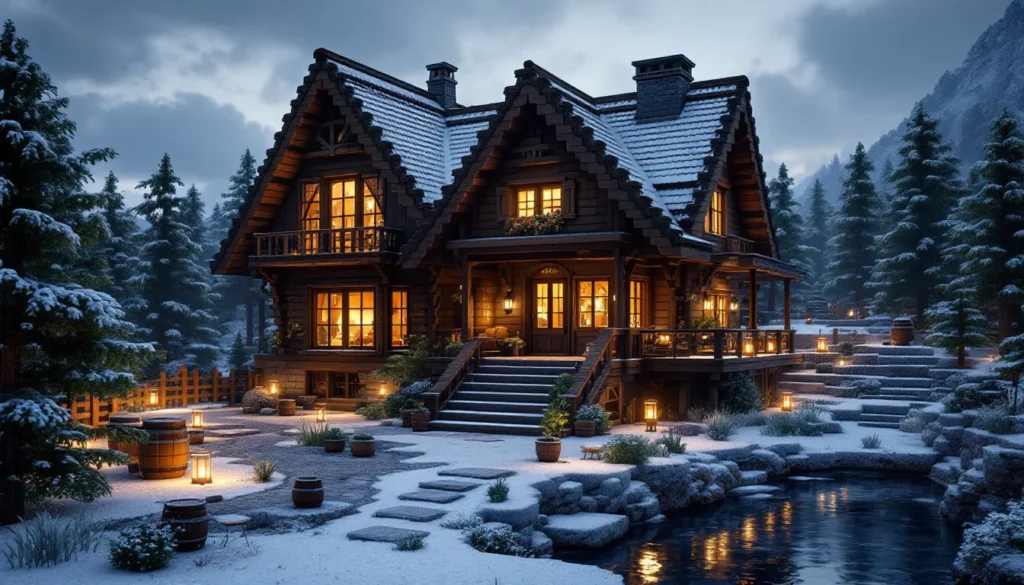
Spruce wood has become the go-to material for players building stunning, Nordic-inspired structures in Minecraft. Whether you’re constructing a cozy cabin, a sprawling mansion, or a medieval lodge, spruce’s dark, natural aesthetic pairs perfectly with stone, logs, and stripped wood variants. This guide walks you through every step of building a professional-quality spruce house, from site selection and foundation work to interior design and final decorative touches. By the end, you’ll have the knowledge and techniques needed to create a structure that doesn’t just look good, but feels immersive and well-designed. Let’s get building.
Key Takeaways
- Spruce wood’s deep brown color and natural texture make it ideal for Nordic-inspired Minecraft builds, working seamlessly with stone variants and multiple architectural styles without requiring constant design adjustments.
- Building a successful spruce house requires site preparation including biome selection (taiga or snowy plains preferred), terrain leveling, and foundation layering with varied block types to create visual depth and definition.
- Interior design should prioritize functional room layouts with appropriate sizing (minimum 4×4 blocks), organized storage systems using barrels and shelving, and purposeful decoration that avoids over-crowding spaces.
- Atmospheric lighting using lanterns and candles, combined with exterior landscaping features like pathways and water elements, transforms a basic spruce house structure into an immersive, lived-in environment.
- Experienced builders elevate their spruce house designs through asymmetrical layouts, terrain integration, multi-pitched roofs, interior verticality, and experimental material pairings that create unique architectural statements.
- Attention to detail—including varied wall textures, consistent roof angles, appropriate negative space, and thematic decoration—distinguishes exceptional spruce house builds from basic structures.
Why Spruce Wood Is Perfect For Minecraft Construction
Spruce wood stands out from other timber options in Minecraft for several reasons. Its deep brown color, darker than oak but lighter than dark oak, creates natural shadows and depth without requiring constant shading from additional blocks. The wood’s visual weight makes it ideal for larger structures: it reads as substantial and intentional rather than sparse or unfinished.
When paired with spruce logs, spruce trapdoors, and spruce stairs, the material set creates cohesive, layered designs that feel authentic. Spruce naturally complements stone variants like blackstone, deepslate, and regular stone, making it versatile for mixed-material builds. The wood’s grain texture also hides imperfections better than lighter woods, which means less time obsessing over perfect alignment.
Another advantage: spruce fits multiple building styles. Medieval taverns, Nordic cottages, modern cabins, and even steampunk structures all benefit from spruce’s neutral warmth. Unlike some specialty woods that demand a specific aesthetic, spruce adapts to your vision. This flexibility, combined with its visual appeal, is why experienced builders reach for spruce first when starting a major project.
Choosing Your Building Location And Preparing The Site
Finding The Right Biome For Your Spruce Build
Not all biomes work equally well for spruce structures. Taiga biomes (including old growth taiga) are the natural home for spruce, trees spawn here naturally, and the landscape already features snow, pine forests, and terrain that complements dark wood aesthetics. If you’re in survival mode, building in a taiga saves enormous amounts of wood farming.
Snowy plains offer a beautiful contrast: white landscape with dark wood structures create dramatic visual impact. Windswept forest biomes provide elevation changes that add depth to your build’s foundation and surroundings. Dark forests work if you don’t mind the perpetual dimness, it creates an atmospheric, mysterious vibe.
Avoid biomes that clash with spruce’s aesthetic. Deserts, jungles, and lush caves (for surface builds) pull focus away from your structure rather than frame it. Swamps and mangroves have their own wood palette that conflicts visually with spruce.
Once you’ve selected your biome, take time scouting. Look for natural terrain features, hillsides, water access, clearings, that work with your design rather than against it. A slope that naturally supports a foundation saves hundreds of blocks of terraforming.
Leveling And Clearing Your Foundation
Before placing a single block, flatten your build area. This seems tedious but prevents hours of frustration later. Create a rectangular or irregular outline slightly larger than your planned house footprint, extra space lets you add pathways and landscaping.
Use WorldEdit (if playing with mods) or manually level terrain using basic tools. Flatten to a single Y-coordinate across your entire foundation. Accept that this is groundwork: it’s not glamorous, but it’s essential. A sloppy foundation makes every step harder.
Remove trees, tall grass, and decorative blocks from the site. Leave natural terrain features you want to incorporate, large boulders, water features, or terrain changes can become design anchors rather than obstacles. Once cleared and leveled, you’re ready to outline your structure.
Foundation And Base Design Techniques
Creating Visual Depth With Layered Foundations
A flat foundation looks boring. Instead, create visual interest by layering different block types and heights. Start with a deepslate or blackstone border that defines your building footprint. This acts as a visual frame and separates the house from surrounding terrain.
Next, add a stone bricks or cobblestone layer inset slightly from the border. This creates a stepped effect that’s both functional and aesthetic. You can then place spruce wood or spruce logs at ground level, or elevate the main structure 2-3 blocks on oak wood stilts (lighter wood creates contrast with darker spruce walls above).
Don’t make all layers the same thickness. Vary heights and depths to avoid a uniform, boring appearance. A good pattern might be: 1-block deepslate border, 2-block stone bricks step, then 1-block oak sill before the spruce walls begin. This creates shadow and dimension at ground level.
Consider the climate you’re building in. Snowy biomes benefit from raised foundations that keep the structure above snowline. Forested areas work fine with ground-level bases. Adjust your foundation height to suit the landscape.
Building Effective Walkways And Entryways
The path to your front door sets the tone for the entire build. Construct a pathway leading from surrounding terrain to your entrance using complementary blocks. Spruce planks laid diagonally, bordered by stone buttons or logs, create visual interest while guiding movement.
Widen your entryway intentionally. A single-block doorway feels cramped: 2-3 blocks wide creates a proper entrance. Add steps using spruce stairs, even a 2-3 block elevation creates definition. Frame the doorway with spruce logs on either side and a spruce beam or decorative arch above.
Consider a small porch or overhang extending from the main structure. This doesn’t require much space but dramatically improves the entry experience. A roof supported by posts, with a bench or flower pot nearby, makes your entrance feel intentional and welcoming. If your build is on a slope, terraced steps leading upward create natural flow.
Interior Layout And Room Planning
Functional Room Designs For Different Purposes
Interior layout determines whether your house feels spacious or cramped. Plan rooms intentionally. A bedroom needs a bed (obvious), but also seating, a workbench, and maybe a small storage chest. Don’t cram furniture randomly: give each item breathing room.
Living areas should feel open. Use spruce slabs to create ceiling detail without lowering the room, recessed slab sections suggest sophistication without sacrificing headroom. Furniture placement matters: a fireplace anchors the space, a seating area (beds, carpet, chairs) creates purpose, and varied floor levels add visual interest.
Kitchens work well in corners near entrances. Smelt furnaces, cauldrons, barrels, and crafting tables cluster functionally. Use spruce stairs and slabs to create counter heights (2-3 blocks tall). Lanterns and candles hung above create task lighting. Size varies, a small kitchen needs 4×5 blocks: a larger one takes 6×8.
Bedrooms benefit from intimate dimensions. A 5×5 block room feels cozy: 6×6 starts feeling spacious. Add spruce trapdoors above beds as decorative ceiling details (suggesting beams). A chest and small workspace make rooms functional rather than bare.
Studies and libraries justify taller ceilings and wall shelving. Use spruce stairs arranged as bookshelves, they’re far more visually interesting than repeating wood blocks. A desk, chair, and lantern complete the aesthetic.
Size rooms relative to the house. A small cottage shouldn’t have enormous chambers. Proportion matters more than absolute dimensions.
Storage And Organization Solutions
Functional storage separates impressive-looking houses from lived-in ones. Don’t hide chests in corners. Create dedicated storage rooms with organized systems.
Barrel clusters look better than stacked chests and serve the same purpose. Arrange them in neat rows, with lanterns between rows for lighting. Shulker boxes (if in creative mode or deep survival) stored in chests provide hidden organization.
Spruce stairs work as shelving units. Create wall-mounted shelving by placing stairs facing outward, then adding items (tools, armor, decorative blocks) on top. This maximizes vertical space while looking intentional rather than cluttered.
Create a dedicated pantry area for food storage. Barrels work perfectly, you can store different food types and add labels using name tags or item frames with signs below. A small 4×4 pantry with 12-16 barrels looks professional and serves survival needs.
Label important storage using signs or item frames above containers. A sign reading “Ores” or “Building Materials” above organized chests clarifies what’s inside and makes your build feel lived-in. This detail separates casual builds from thoughtfully designed structures.
Lighting, Decorations, And Final Touches
Ambient Lighting Strategies For Atmosphere
Lighting transforms a finished structure into an atmospheric space. Lanterns hanging from ceiling supports cast subtle shadows and warmth. Place them every 8-10 blocks for consistent visibility without bright spots. Vary height slightly, not all lanterns at the same level, to feel natural.
Candles clustered on tables, shelves, and mantels create intimate warmth. Unlike lanterns, candles look fragile and decorative. Use in groups of 2-4, never scattered randomly. Candles work especially well around fireplaces and bedside.
Soul lanterns in darker rooms add eerie, atmospheric blue light. Limit these to cellars, dungeons, or themed spaces, overusing them feels gimmicky.
Avoid glowstone and shriekers as interior lighting. These feel artificial in Minecraft builds unless specifically designing futuristic spaces. Natural light sources (lanterns, candles, small fires) always work better.
Exterior lighting matters too. Wall-mounted lanterns every 6-8 blocks along pathways guide navigation without harsh spotlighting. Uplighting from soul campfires beneath overhangs creates dramatic shadows. Keep exterior lighting subtle, moody is better than bright.
Exterior Landscaping And Outdoor Details
The area immediately surrounding your house matters as much as the structure itself. Create defined landscaping rather than leaving terrain generic.
Fencing defines property lines and creates structure. Spruce fencing matches the house: dark oak or blackstone variants add contrast. Arrange in clear patterns, straight lines or geometric shapes feel designed rather than accidental.
Planters with trees, flowers, or bushes humanize the space. Potted dark oak or birch trees frame corners. Flower pots with poppy, lilac, or peony clusters soften hard edges. Vary heights using spruce slabs or stairs beneath planters.
Water features add life. A small pond, fountain, or creek running beside the house creates visual interest and breaks up flat terrain. Keep water features proportional, a small cottage doesn’t need a lake, but a 5×5 pond works beautifully.
Decorative details finish the landscape. Barrels stacked as storage bins on a porch. Crafting tables as outdoor workstations. Composters and barrels arranged as if for rainwater collection. These details suggest history and function.
Add pathways branching from the main entrance toward distant features. A path to a garden, well, or woodland creates narrative and guides exploration. Use contrasting block types, gravel, stone bricks, dark oak planks, to define paths clearly.
Remember that landscaping evolves. Your initial setup doesn’t need perfection. As you spend time in the space, you’ll naturally add more details and refine areas that feel incomplete.
Common Spruce House Building Mistakes To Avoid
Even experienced builders stumble. These mistakes waste time and create frustration.
Overly Uniform Walls: Using only spruce planks looks flat and lifeless. Always mix variants, logs, slabs, trapdoors, stripped wood. Texture prevents monotony.
Ignoring Foundation Depth: Placing walls directly on terrain creates a disconnected, floating appearance. Always add foundation layers (stone, logs, or slabs beneath main walls). This single detail separates amateur from skilled builds.
Undersized Rooms: Cramped interiors feel claustrophobic. Minimum functional room size is 4×4 blocks (16 square blocks). Bigger is generally better, you can’t enlarge easily once built.
Random Roof Angles: Roofs with inconsistent pitches look amateurish. Decide on a single angle and maintain it consistently across all roof sections. Peaked roofs should have matching slopes on both sides.
Over-Decorating Interiors: More items don’t equal better design. Sparse, purposeful decoration beats cluttered rooms. Every furniture piece should have functional or aesthetic reason.
Forgetting Negative Space: Not every wall needs decoration. Empty spaces create visual breathing room and prevent busy, chaotic interiors.
Building Without Planning: Measuring beforehand prevents structural problems. Sketch rough dimensions on paper before placing blocks. This prevents mid-build reworks.
Using Inappropriate Materials: Mixing too many wood types or pairing spruce with bright blocks (lime, orange) clashes visually. Stick with natural color palettes, dark and earth tones work together.
Advanced Building Tips For Experienced Builders
Once you’ve mastered basics, these techniques elevate your work.
Asymmetrical Designs: Perfect symmetry feels artificial. Slightly offset rooms, varied roof heights, and mismatched wing sizes create dynamic, lived-in structures. This demands confidence, it’s easier to build symmetrically, but the results feel infinitely more professional. Study real-world architecture: buildings evolve over time with additions and modifications that break symmetry intentionally.
Terrain Integration: Respect and incorporate existing landscape rather than fighting it. Build into hillsides, let terrain variations inform room placement, and use natural features as design anchors. Structures that flow from the landscape feel far more integrated than those imposed upon flat terrain.
Advanced Roofing: Multi-pitched roofs with dormers, cupolas, and varied materials create architectural depth. Study historic buildings and gaming guides from sources like Game Rant’s building walkthroughs to understand how layered roofs work. Dormers (small roofed windows protruding from main roof) add sophistication without excessive complexity.
Interior Verticality: Use multiple floor levels within rooms. A mezzanine section in a living area, a second-story bedroom loft, or a split-level design creates visual interest and efficient space usage. Spruce stairs and slabs are perfect for these transitions.
Thematic Detail Layers: Create storytelling through decoration. A study filled with bookshelves suggests knowledge. A well-equipped kitchen with organized storage suggests culinary skill. Bedrooms with personal touches (paintings, armor stands) suggest inhabitants. These narrative details transform houses into homes.
Custom Trees and Landscaping: Don’t settle for default terrain. Custom-shape surrounding trees, create terraced gardens, and sculpt landforms to complement your architecture. This level of detail separates showcase builds from casual projects. Resources like GamesRadar’s building guides often showcase landscaping techniques used in competitive builds.
Material Experimentation: Test unconventional pairings. Can you make spruce work with copper oxidation stages? What about combining spruce with waxed copper for contrast? Pushing boundaries creates unique aesthetics unavailable through standard combinations. Many competitive builders find their signature style through experimental mixing, just ensure it remains cohesive.
Conclusion
Building a spruce house isn’t just about stacking blocks, it’s about creating intentional spaces that reflect thoughtful design. From selecting the right biome and leveling your foundation to planning functional interiors and adding atmospheric lighting, each step contributes to the final result.
The key difference between a decent build and an exceptional one lies in attention to detail. Varied wall textures, layered foundations, purposeful decoration, and integration with surrounding landscape elevate structures from functional shelters to architectural statements. Start with these fundamentals, practice regularly, and gradually incorporate advanced techniques as your confidence grows.
Your spruce house will evolve as you play. The initial build is just the beginning. Add landscaping, refine details, and expand as inspiration strikes. That’s the beauty of Minecraft, your creations remain alive and evolving. Whether you’re building a modest cabin or sprawling mansion, the principles covered here apply universally. Now go build something spectacular. Resources like Twinfinite’s Minecraft guides offer additional inspiration if you get stuck, but remember that your unique vision matters most. The best builds reflect your personal style, not anyone else’s standards.
More Stories
How To Tame A Parrot In Minecraft — Quick, Reliable Steps + Sharing On SweetDiscord (2026)
Minecraft Slope Unblocked: The Complete Guide to Playing Anywhere in 2026
How to Build Epic Minecraft Skyscrapers: Design, Tips, and Techniques for 2026