
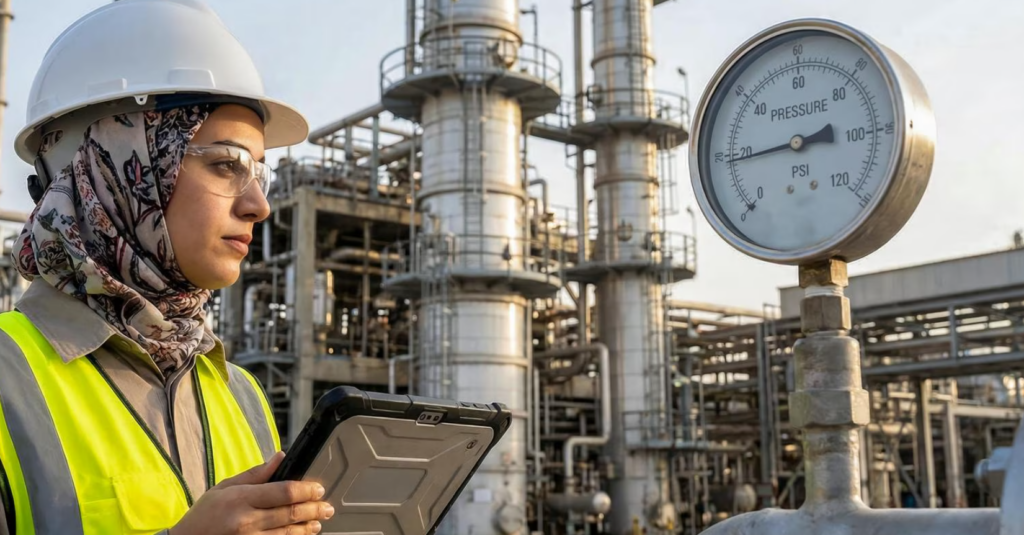
Technical gases play a fundamental role in modern industry. From manufacturing and metal fabrication to healthcare, energy production, food processing, and environmental technologies, these gases support critical operations that require precision, efficiency, and safety. Among the many industrial applications, welding remains one of the most significant areas where technical gases are used daily. The selection of appropriate gases can directly influence weld quality, productivity, material performance, and operational costs.
As industries continue to evolve through automation, sustainability initiatives, and advanced manufacturing techniques, the demand for specialized technical gases is also changing. New production methods, stricter environmental standards, and the need for higher-quality outputs are driving innovation across the sector. Understanding these trends provides valuable insight into how industrial processes are adapting to modern requirements.
The Growing Importance of Technical Gases in Industrial Operations
Technical gases are gases produced and purified for industrial use. Common examples include oxygen, nitrogen, argon, carbon dioxide, hydrogen, helium, and various gas mixtures. Each gas possesses unique properties that make it suitable for specific applications.
Industries rely on technical gases for numerous purposes, including combustion enhancement, inert atmospheres, cooling, cutting, welding, chemical synthesis, and product preservation. Their versatility allows manufacturers to optimize production processes while maintaining consistent quality standards.
The increasing complexity of industrial operations has expanded the role of technical gases beyond traditional uses. Today, they are often integrated into highly automated production systems where precision and reliability are essential.
Rising Demand for Advanced Welding Applications
One of the most notable trends is the growing use of technical gases in welding and metal fabrication. Modern industries require stronger, lighter, and more durable materials, leading to increased adoption of advanced welding techniques.
Increased Use of Shielding Gases
Shielding gases protect molten metal from atmospheric contamination during welding. Exposure to oxygen, nitrogen, and moisture can lead to defects such as porosity, cracking, and reduced mechanical strength.
Argon remains one of the most widely used shielding gases because of its inert properties. It is commonly applied in gas tungsten arc welding and gas metal arc welding. Carbon dioxide is also frequently used due to its affordability and ability to provide deep weld penetration.
Many manufacturers now utilize blended gases to achieve specific welding characteristics. These mixtures can improve arc stability, reduce spatter, enhance weld appearance, and increase productivity.
Welding for High-Performance Materials
The rise of advanced materials has created new requirements for welding gases. Stainless steel, aluminum alloys, titanium, and high-strength steels often require carefully controlled gas environments to maintain their properties during fabrication.
Industries such as aerospace, automotive manufacturing, and renewable energy increasingly depend on specialized gas mixtures that support precise welding conditions. This trend is expected to continue as engineering materials become more sophisticated.
Sustainability Is Influencing Gas Usage
Environmental concerns are reshaping industrial practices worldwide. Companies are seeking ways to reduce emissions, improve energy efficiency, and minimize waste throughout production processes.
Technical gases contribute to these goals in several ways.
Improved Process Efficiency
Optimized gas mixtures can reduce material waste and increase production efficiency. In welding operations, properly selected shielding gases often result in fewer defects, reducing the need for rework and lowering resource consumption.
Enhanced process control also helps manufacturers achieve consistent results while using less energy.
Support for Cleaner Industrial Technologies
Technical gases are increasingly being used in technologies designed to reduce environmental impacts. Oxygen-enhanced combustion systems, for example, can improve fuel efficiency and lower emissions in certain industrial furnaces.
Hydrogen is also gaining attention as industries explore lower-carbon energy solutions. While its adoption varies across sectors, hydrogen continues to play an expanding role in industrial innovation.
Automation and Smart Manufacturing
The transition toward smart manufacturing is creating new opportunities for technical gas applications. Automated production lines require precise and repeatable conditions, making gas control systems more important than ever.
Digital Monitoring Systems
Modern facilities increasingly employ sensors and monitoring equipment to track gas consumption, pressure levels, and purity. These technologies help operators identify inefficiencies and maintain consistent process conditions.
Real-time monitoring can improve operational reliability while reducing unnecessary gas usage.
Integration with Robotic Welding
Robotic welding systems have become common in automotive, heavy equipment, and metal fabrication industries. These systems depend on stable gas delivery to ensure consistent weld quality.
As robotic manufacturing expands, demand for reliable gas management systems and optimized shielding gas mixtures is expected to grow as well.
Greater Focus on Gas Purity
Another important trend is the increasing emphasis on gas purity. Many industrial processes require highly controlled environments where even small contaminants can affect final product quality.
Precision Manufacturing Requirements
Electronics manufacturing, semiconductor production, and advanced metal fabrication often require extremely pure gases. Contaminants can interfere with chemical reactions, damage components, or compromise product performance.
Manufacturers are therefore investing in improved purification methods and stricter quality control procedures.
Impact on Welding Quality
In welding applications, gas purity significantly influences weld integrity. High-purity shielding gases help prevent oxidation and contamination, particularly when working with sensitive materials such as aluminum and stainless steel.
As quality standards become more demanding, the importance of gas purity continues to increase across fabrication industries.
Growth of Customized Gas Mixtures
Industrial users increasingly seek gas solutions tailored to specific applications rather than relying solely on standard products.
Application-Specific Performance
Different welding projects may require unique combinations of penetration, bead appearance, travel speed, and mechanical properties. Customized gas mixtures allow manufacturers to optimize performance according to their exact requirements.
For example, varying the proportions of argon, carbon dioxide, and oxygen can significantly influence welding characteristics and production outcomes.
Industry-Specific Needs
Sectors such as shipbuilding, automotive manufacturing, construction, and heavy machinery often face distinct fabrication challenges. Customized gas formulations help address these specialized demands while supporting productivity goals.
This trend reflects a broader movement toward process optimization throughout industrial operations.
Expanding Role of Hydrogen
Hydrogen is attracting growing interest across multiple industrial sectors. Although traditionally used in chemical production and refining, its applications continue to expand.
Industrial Processing
Hydrogen serves as a reducing agent in various metallurgical processes and is widely used in heat treatment operations. Its unique properties make it valuable in several manufacturing environments.
Future Welding Possibilities
Research continues into how hydrogen-related technologies may influence future fabrication and metalworking processes. While shielding gases for conventional welding primarily rely on other gas combinations, hydrogen-containing mixtures can provide benefits in certain specialized applications.
As industrial decarbonization efforts progress, hydrogen is likely to remain a major area of development.
Safety and Regulatory Compliance
The growing use of technical gases has increased attention on workplace safety and regulatory compliance.
Enhanced Training Programs
Industrial facilities are investing more resources in employee training related to gas handling, storage, and transportation. Proper procedures help reduce risks associated with compressed gases and ensure safe operations.
Improved Storage Technologies
Advances in cylinder design, storage systems, and monitoring equipment are helping organizations maintain safer working environments. These improvements support both operational efficiency and regulatory compliance.
Safety considerations are particularly important in welding environments, where gases are frequently used in combination with high temperatures and electrical equipment.
The Influence of Global Manufacturing Growth
Manufacturing expansion in developing and established economies continues to drive demand for technical gases. Infrastructure projects, transportation systems, renewable energy installations, and industrial modernization all contribute to increased gas consumption.
The welding sector remains a major beneficiary of this growth. New construction projects, factory expansions, and equipment manufacturing activities require extensive welding operations supported by technical gases.
As industrial production becomes more technologically advanced, the role of gases in ensuring quality and efficiency becomes even more significant.
Emerging Awareness and Industry Knowledge
As industries seek to optimize their operations, awareness of gas selection and process performance is increasing. Technical professionals are paying closer attention to how gas choices affect productivity, material quality, and sustainability outcomes.
Discussions surrounding industrigaser highlight the growing interest in understanding how gas technologies contribute to modern manufacturing. This increased knowledge sharing is helping organizations make more informed decisions regarding process optimization and operational efficiency.
Conclusion
Technical gases are becoming increasingly important across a wide range of industrial applications. Advances in manufacturing, sustainability initiatives, automation, and material science are driving significant changes in how these gases are used. Welding remains one of the most critical applications, with shielding gases and specialized mixtures playing a central role in ensuring quality, efficiency, and reliability.
Trends such as greater gas purity requirements, customized mixtures, smart monitoring systems, hydrogen development, and enhanced safety practices are shaping the future of the industry. As industrial processes continue to evolve, technical gases will remain essential tools that support innovation, productivity, and long-term growth across global manufacturing sectors.
More Stories
Gaming Tech Orchid: How To Max Your Buy Rate Quest With Swtdscriolx (2026 Guide)
SweetDiscord: Inside The Emerging Cybersecurity Firm Redefining Threat Response In 2026
Tarmalis Ordren: How To Place, Track, And Resolve Orders In 2026