
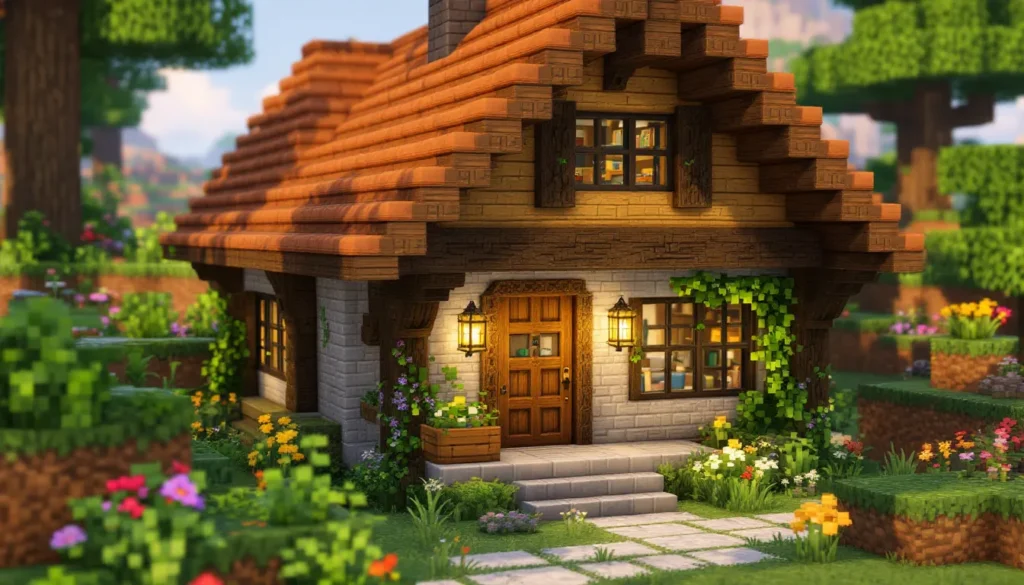
Building in Minecraft doesn’t require sprawling mansions or intricate mega-builds to be satisfying. A small Minecraft house can be just as rewarding, sometimes more so, because it forces you to get creative within constraints. Whether you’re on Survival mode with limited resources, starting a fresh world, or just prefer cozy builds, learning how to design and construct compact homes is a core skill that makes you a better builder overall. The beauty of small houses is that they’re faster to complete, easier to defend, and perfect for showing off clever design. In this guide, we’ll walk through 15 different approaches to building small Minecraft houses, cover the materials you’ll need, explore multiple aesthetic styles, and share the efficiency tricks that separate cookie-cutter builds from genuinely impressive designs.
Key Takeaways
- A small Minecraft house is just as rewarding as larger builds because it forces you to get creative within constraints, making you a better builder overall.
- Start with essential materials like wood variants, stone, decorative blocks, and interior items, then choose a building style—modern minimalist, cottage core, or medieval fantasy—that matches your aesthetic preference.
- Lay a clear foundation, build walls 4 blocks high with strategic window placement, add a properly proportioned peaked or gable roof, and then design functional interior zones for sleeping, crafting, storage, and living.
- Maximize limited space by thinking vertically with loft beds and wall-mounted storage, using multifunctional furniture, creating nooks, and keeping a limited three-color material palette for visual cohesion.
- Avoid common mistakes like mixing too many materials, creating solid claustrophobic walls, using poor lighting placement, and ignoring exterior design—remember that personality details transform a box into a genuine home.
- Constraints in small house design breed creativity; every block’s visibility rewards intention, so prioritize quality details over quantity to create builds that feel impressive and lived-in.
Why Build A Small Minecraft House
Building a small Minecraft house serves multiple purposes depending on your playstyle. In Survival mode, starting with a compact shelter lets you allocate resources toward mining, farming, and progression rather than endless construction. You’ll hit the major milestones, bed, furnace, crafting table, storage, faster, which means you’re protecting yourself and advancing quicker.
For Creative players, small houses are design puzzles. They demand thoughtful placement of furniture, strategic use of vertical space, and clever material choices. A well-executed small house often looks more impressive than a sprawling build because every block serves a purpose. There’s no filler, no wasted rooms, just intentional, beautiful design.
Small builds are also practical for multiplayer servers where land is shared. Your compact home respects other players’ territory while still giving you a functional base. Plus, if you’re learning to build, working small removes the intimidation factor. You can iterate quickly, experiment with styles, and develop your skills without committing weeks to a single structure.
On the meta side, players streaming or creating YouTube content find small houses more engaging. Viewers appreciate the efficiency, and the fast completion time makes for better pacing in videos.
Essential Materials & Tools You’ll Need
Before you place a single block, gather the core materials that work for most small house builds:
Wood variants are your foundation. Oak, spruce, birch, dark oak, acacia, and mangrove logs give you endless aesthetic flexibility. Pair them with matching planks and stairs for trim. Stone and stone variants, stone bricks, deepslate, blackstone, work for roofs, walls, and detail work. Concrete and terracotta provide modern color without requiring dyes every time you want to rebuild.
Decorative blocks make or break small houses. Azalea, flowering azalea, cherry, big dripleaf, and vines add organic touches. Dark oak trapdoors and fence gates are essential for detail work, they break up flat surfaces and add visual interest without taking much space.
Interior essentials include a bed (obviously), crafting table, furnace, and a chest or two for storage. Add a How To Make A for lighting instead of torches, which look cleaner. Stairs and slabs double as seating or shelving.
A pickaxe (stone or better) and axe (any tier) speed up gathering. You don’t need top-tier tools for a small house, wood tools work fine early game. Shears let you grab leaves and azalea cleanly without them dropping nothing. If you’re in Creative, grab everything. In Survival, prioritize wood, stone, and basic ore first.
Choosing Your Building Style
Your small Minecraft house’s style sets the entire tone. The right aesthetic makes a tiny build feel intentional rather than cramped. Here are three proven approaches:
Modern Minimalist
Modern minimalist houses use clean lines, a limited color palette, and negative space as a design element. Think concrete, dark wood, glass, and understated lighting. Walls are smooth or gently textured with concrete or polished deepslate. Roofs are flat or slightly sloped with dark blocks like blackstone or dark oak. The goal is less-is-more: every decoration must earn its place.
A cute small Minecraft house in this style might be 7×7 with a flat roof, floor-to-ceiling glass on one side, and a simple wooden deck outside. Interior space is organized, bed in one corner, kitchen area with a campfire, storage wall with chests. No clutter, no unnecessary decoration. It sounds minimal, but the restraint is what makes it look sophisticated. Modern minimalist works especially well for new players because you don’t need rare blocks or advanced techniques.
Cottage Core Aesthetic
Cottage core is the opposite energy: cozy, warm, lived-in. Use warm wood tones (oak, acacia), stone brick, terracotta in warm colors, and organic vegetation. Roofs are steep and often use wood or terracotta. Windows are small and placed irregularly. Gardens wrap around the build, flowers, vines, maybe a small farm patch. The vibe is “hobbit hole meets farmhouse.”
Small Minecraft houses thrive in cottage core because the coziness requires a small footprint. A 6×8 cottage with a thatched roof, a front garden bursting with flowers, smoke from a chimney, and cozy interior lighting looks inviting and lived-in. Add a How To Make A Flower Pot In Minecraft outside the door and suddenly it has personality. Interior details matter here: bookshelves, hanging plants, a kitchen with a campfire, a small bedroom loft. Cottage core requires more decoration but forgives imperfection, “charming” is the goal, not flawless.
Medieval & Fantasy Themed
Medieval and fantasy houses lean into stone, dark wood, and dramatic shapes. Think stone brick walls, dark oak or spruce framing, arrow slits for windows, and a tower or peaked roof. Candles (black or brown candles work best) replace bright lighting. Banners add color and heraldry. Chains and lanterns hang from corners.
A small medieval house might be a 5×5 stone tower with wooden framing, a crenellated roof, and a thick wooden door. Inside, a spiral staircase winds up to a bedroom loft and a top-floor workshop. The small footprint fits the “defensive tower” fantasy perfectly. Use How To Build A Bookshelf In Minecraft Easily to create a study nook. Medieval style works well for Survival because stone and wood are plentiful and the sturdy aesthetic hides rough edges.
Step-By-Step Building Guide For Beginners
Building a small house doesn’t require complex techniques, but following a logical process ensures solid results. Here’s how to construct a reliable small Minecraft house from the ground up:
Laying The Foundation
Start by choosing your footprint. For beginners, aim for 6×8 blocks, big enough to feel lived-in, small enough to finish in an hour. Clear the area and flatten the ground using a single block type (grass, dirt, or stone). Lay your foundation in a contrasting material: stone brick, darkblock, or even a different wood. A one-block-thick foundation outline prevents mobs from spawning directly under your house and looks intentional.
Mark corners with taller markers, place a block three units high at each corner. This prevents you from getting confused about your building’s footprint as you build up. If you’re building a 6×8 house, measure carefully with the marker blocks. In Creative, this is trivial. In Survival, double-check, wasting materials on a misaligned foundation hurts.
Once the foundation is marked, fill the interior floor with your primary block. Use a single, consistent material: oak planks, stone brick, or basalt. Mixed floors look chaotic in small spaces. Save the decorative variation for walls and accents.
Building Walls & Roof Structure
Walls go up next. For a 6×8 house, build 4 blocks high, enough for interior headroom and proportion without looking like a tower. Use your primary material for the base and consider adding a second material at one block height for a subtle stripe or frame effect. Dark oak or spruce logs paired with oak planks, for example, looks cohesive and adds depth.
Place windows strategically. Avoid putting them in corners, frame them with trim (dark oak trapdoors, stairs, or trim blocks like dark oak wood) to make them pop. Two to three windows per wall works for a small house. Asymmetrical placement looks more interesting than perfect symmetry.
Roofs are critical for small houses. A peaked roof (angled up to a ridge) looks better than a flat one for most builds. Use stairs and slabs to create slope: place stairs facing outward, then stairs on top facing the opposite direction, then slabs to cap it. Alternatively, a gable roof (two slopes meeting a peak) is classic. The specific shape depends on your style, modern minimalist might use a flat roof, cottage core typically wants steep peaks.
Add a door (hardwood matches most aesthetics), then step back and check proportions. Does it look blocky? Does it have visual interest? Adjust trim and add small details if needed. This is the moment to catch major issues before decorating the interior.
Interior Design & Functionality
Inside, functional placement matters more than aesthetics initially. Identify zones: sleeping area, crafting/work area, storage, and living space. In a small house, these often overlap, your crafting table might sit near your storage chest, which is near your furnace.
Bed placement matters. Putting it in a corner or against a wall saves space and looks intentional. Add a How To Make A Book In Minecraft shelf above or beside the bed for decoration and function. A single bookshelf or two adds visual richness without taking much room.
Storage should be accessible but not visually dominant. Group chests in one corner, maybe under a shelf or inside a wall nook. Crafting table and furnace can sit side-by-side, minimizing foot traffic congestion. Cooking area (campfire or furnace) should be away from flammable materials if you want to be safe.
Lighting transforms a dark box into a home. Candles, lanterns, and torches create ambiance. Hang lanterns from the ceiling with chains. Place candles on shelves or tables. Avoid grid-pattern torch placement, it reads as functional and boring. Scatter lights naturally, clustering them in living and work areas.
Final touches: a small table with chairs (use stairs to simulate seating), hanging paintings, a flower pot or two, maybe a banner. These cost almost nothing but transform empty space into a lived-in home. Step outside periodically to check your progress and proportions. A small house reveals problems immediately, there’s nowhere to hide clumsy design.
Small House Design Ideas & Inspiration
Here are 15 design concepts to inspire your next small Minecraft house:
1. Mountain Tower – A vertical house carved into a hillside, maximizing view without eating floor space. Perfect for cliff sides.
2. Cottage Garden – 6×6 footprint with massive flower gardens and a roofed entrance porch. The garden is part of the design, not an afterthought.
3. Stilt House – Built on pillars over water or ravine. Adds dramatic setting and protects from mobs.
4. Treehouse – Nestled in a large tree’s branches. Use the trunk as support and weave the house around branches.
5. Underground Hobbit Hole – Carved into a hillside with a circular green door. Cozy and defensible.
6. Modern Glass Box – Floor-to-ceiling glass walls with minimal interior structure. Maximizes views, minimizes privacy.
7. Witch’s Hut – Crooked angles, dark colors, cauldron (brewing stand), bookshelves, and mystical vibes. Personality for days.
8. Tiny Barn – A working farm integrated into the structure. Combines shelter and food production. External resources on portal design mechanics are available from IGN’s game guides.
9. Shipping Container – Modern aesthetic using a rectangle of concrete and metal blocks stacked or arranged like shipping containers.
10. Pyramid – Stepped design in terracotta or sandstone. Challenging geometry but visually striking.
11. Igloo – Domed roof using stairs to create curves. Works great in snowy biomes and feels cozy even though being ice.
12. Japanese Inspired – Minimalist design with dark wood, water features, stone lanterns, and carefully placed plants.
13. Mushroom House – Oversized mushroom blocks as walls and cap as roof. Whimsical and surprisingly functional.
14. Castle Keep – A fortified tower with crenellations, narrow windows, and thick walls. Medieval fantasy cramped into a small footprint.
15. Coastal Shack – Built on sand or driftwood-style with fishing rod aesthetic and nautical colors. Feels relaxed and lived-in.
Each design works within small footprints because constraints breed creativity. Pick one that matches your aesthetic preference and the biome you’re in.
Efficiency Tips For Limited Space
Small spaces demand smart decisions. Here’s how to maximize function without feeling cramped:
Vertical thinking is crucial. Use wall-mounted storage, loft beds, and multi-level interiors. A bed on a raised platform with storage underneath doubles the space’s utility. Shelves (using stairs, slabs, or actual shelves) add function without eating floor space. Put your crafting table on a wall using a banner-backed wall mount or in a corner nook.
Multifunctional furniture saves space. A cauldron filled with water serves as decoration and a water source. Composters store resources and look functional. A crafting table can double as a decorative table in the right context. How To Make A Boat In Minecraft and display it indoors as a whimsical decoration that technically has purpose.
Nooks are your friends. Cut a small alcove into a wall for a bed, storage, or a cozy reading corner. It looks intentional rather than cluttered. Recessed shelving, hidden doors, and built-in benches use dead wall space effectively.
External expansion matters. Decks, porches, and patios extend your home’s footprint without increasing interior cramping. A small deck with a table and chairs gives you outdoor living space. Gardens, paths, and landscaping make the small building feel like part of a larger homestead.
Limited palette prevents visual chaos. Using three primary colors (like oak, stone brick, and spruce) makes a small space feel cohesive instead of cluttered. Each additional color divides attention and makes things feel smaller.
Transparent blocks feel more open. Glass, trapdoors, and fences don’t block sightlines the way solid blocks do. A wall of glass or fence lets light flood in and makes the interior feel larger psychologically. Staircases are also visually “light” compared to solid blocks.
Avoid block-spam decoration. One really nice detail beats five mediocre ones. A single elaborate bookshelf setup beats scattered books everywhere. A well-placed lantern beats torches on every wall. Quality over quantity keeps small spaces feeling intentional.
Common Mistakes To Avoid
Even experienced builders fall into small-house traps. Avoid these pitfalls:
Mixing too many materials is the cardinal sin of small builds. Using oak, spruce, birch, dark oak, stone, stone brick, terracotta, and concrete in one tiny house looks chaotic. Stick to three primary materials and one accent. Your eyes need consistency when space is limited.
Solid walls everywhere feel claustrophobic. A small room with four unbroken walls reads as a box. Add windows, trapdoors, fence sections, or open areas to break monotony. Let light and views in, it makes the space feel bigger immediately.
Ugly lighting kills the whole vibe. Putting torches in a 4-block grid pattern looks utilitarian and boring. Use lanterns, candles, and varied placement. Warm light sources (warm candles, lanterns with warm blocks) feel cozier than bright, harsh lighting.
Ignoring the exterior because interior is finished. The outside is often seen more than the inside. If your house looks like a blob from the outside, it fails as a build. Spend time on roofing, trim, landscaping, and overall silhouette. The exterior sells the entire design.
Scaling furniture wrong destroys proportions. Making a bed 4 blocks wide looks ridiculous. Furniture should be 1–2 blocks. Doors are 2 blocks tall, windows are 1–2 blocks, tables are 1 block high. Respect Minecraft’s scale or everything looks off.
Forgetting circulation space. You need room to move around. If you place a bed, furnace, and crafting table in a 5×5 room, you’re trapped. Leave at least one-block-wide paths between major pieces of furniture. Small doesn’t mean congested.
No personality. A small house with zero decoration, just the essentials, feels empty. A bedroom needs a painting or a window view. A workspace needs some character. A kitchen needs a campfire and maybe a cauldron. Personality takes 5 minutes but transforms a box into a home. Recent game guide comparisons show that the best builds incorporate unique personality elements instead of following generic templates.
Roof proportions off. A steep roof on a small house can look ridiculous if it’s too tall. A flat roof might seem boring but often works better. Aim for a roof height of 2–3 blocks at the peak for a small house. Test different slopes before committing.
Underestimating detail work. Details make small builds sing. A house is not done when it’s weathertight, it’s done when every surface has some intentional detail. Trim around windows, variation in wall texture, strategic vegetation, landscaping paths. These cost almost nothing but multiply visual interest exponentially.
Conclusion
Building small Minecraft houses is a skill that improves your overall building ability. Constraints force creativity, efficiency demands thoughtful choices, and every block visibility rewards intention. Whether you’re a new player setting up your first Survival base, an experienced builder looking for a cozy secondary home, or someone just wanting to practice compact design, the principles here, clear style, smart material use, functional layout, and personality, apply across the board.
Small doesn’t mean lesser. Some of the most impressive Minecraft builds are tiny houses because every detail counts and nothing gets lost in clutter. Pick your style, gather your materials, and start with the foundation. Work methodically, check your proportions frequently, and don’t skimp on the details that make a house a home. You’ll finish faster than a mega-build, and the sense of completion hits harder when you’re done. Your next small Minecraft house might just surprise you, and everyone who sees it.
More Stories
Minecraft Slope Unblocked: The Complete Guide to Playing Anywhere in 2026
How to Build Epic Minecraft Skyscrapers: Design, Tips, and Techniques for 2026
How To Build An Epic Spruce House In Minecraft: The Complete 2026 Design Guide